
childhood memories
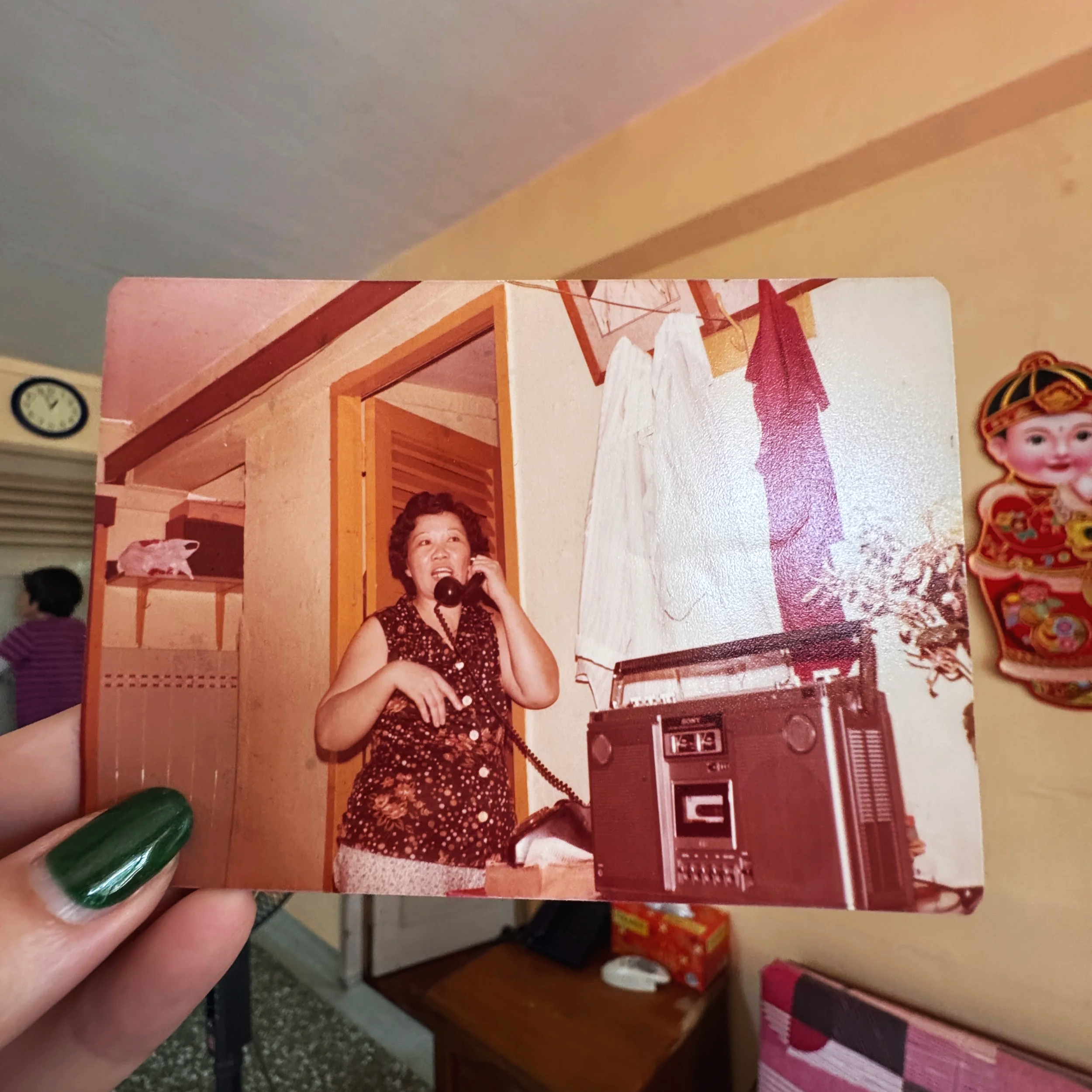
"I grew up in my grandmother's flat, built in 1971, filled with aunties and uncles and the smell of someone always cooking something. I lived there from birth to nine. My aunties still live there. Recently, one of them told me her favourite artwork of mine is the auntie riding a tractor made of sushi. 'So cute!' she said. 'I would totally buy a toy if there was one.'
That's the highest review I've ever received.
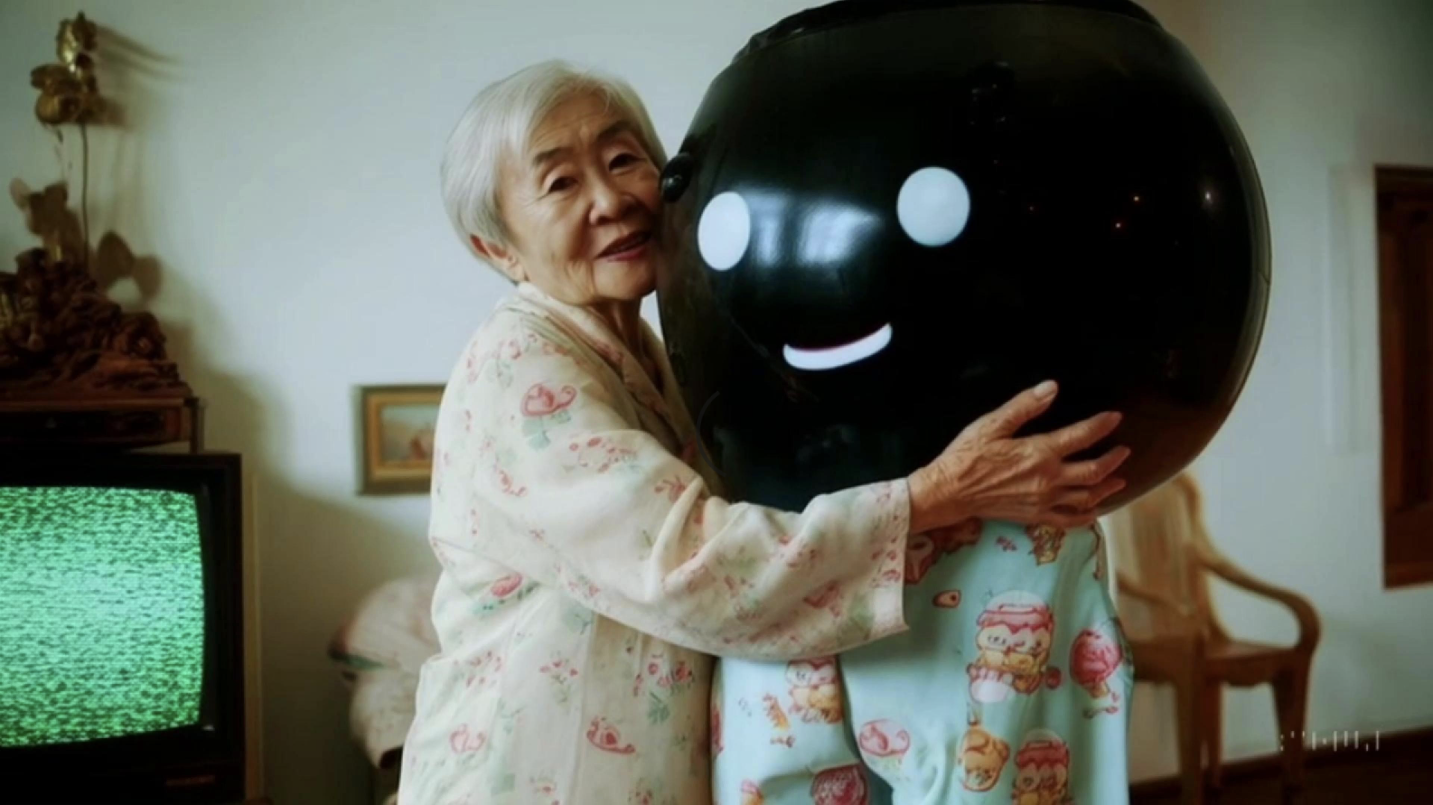
Auntea Boba (2024)
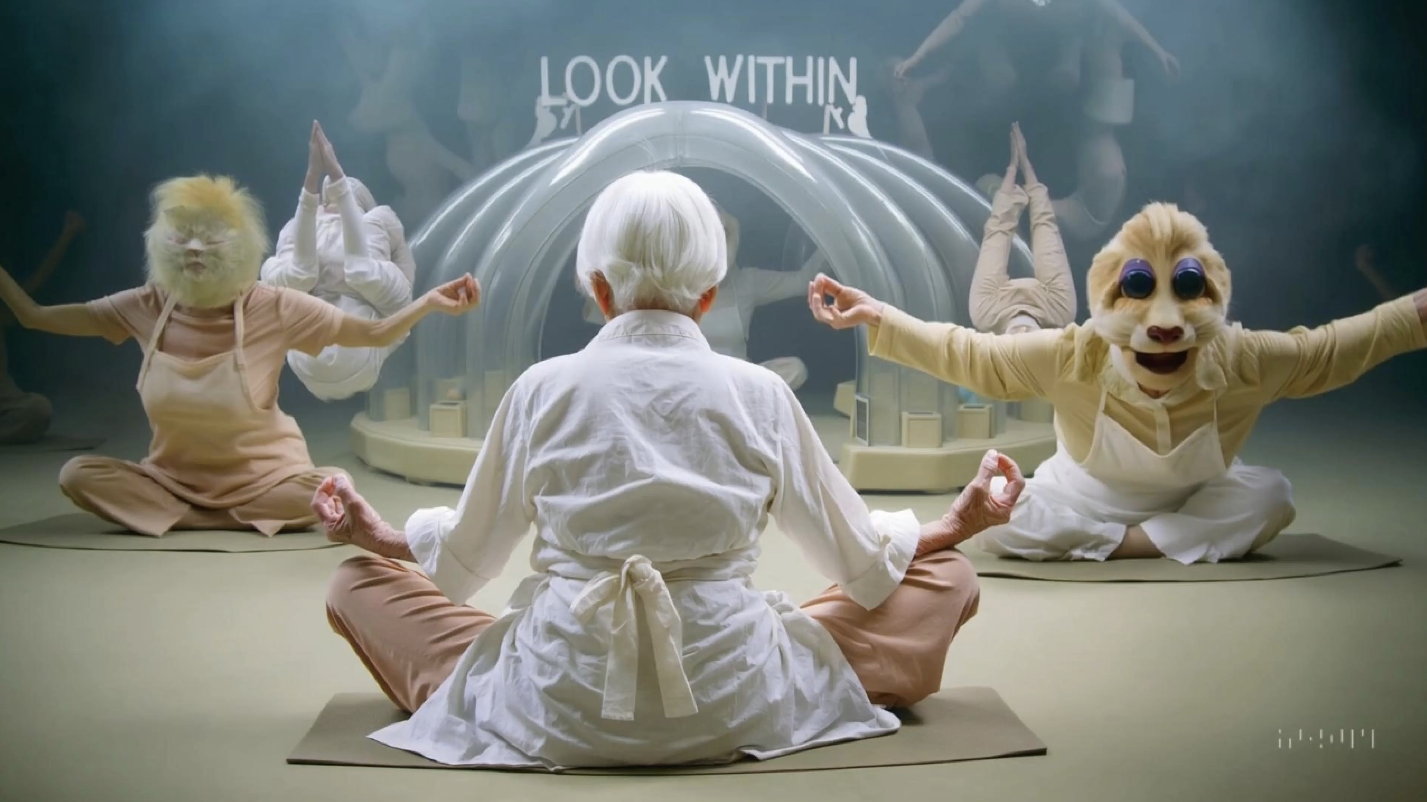
Auntiebody (2024)
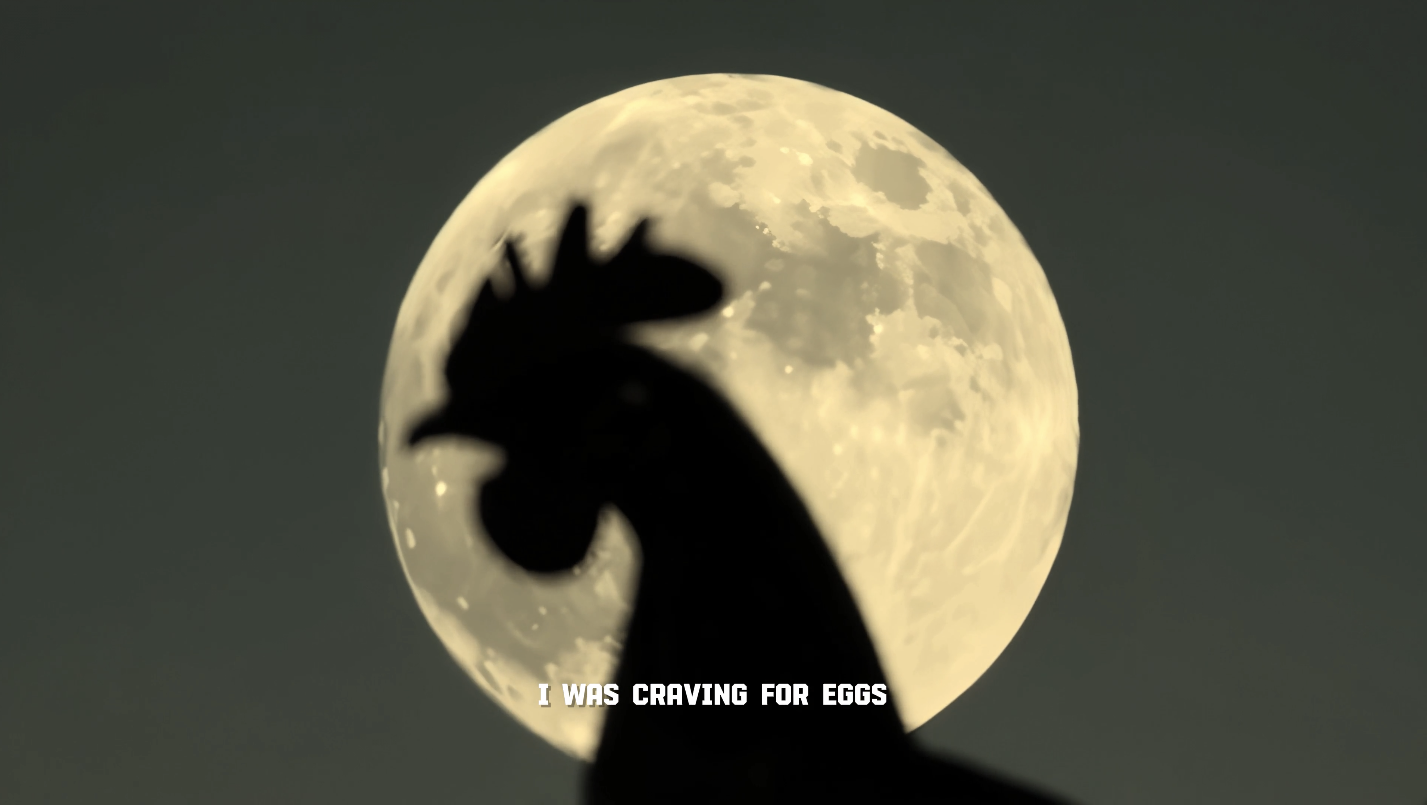
Auntie Eggs (2024)
The four video works Goddess, Auntiebody, Auntie's Eggs, and Auntea Boba were created using OpenAI's Sora during its beta testing phase, from August to October 2024, when text-to-video generation was still raw, unpredictable, and full of strange surprises. On 24 March 2026, OpenAI announced that Sora would be permanently shut down. These works now exist as artefacts of a tool that no longer does, a record of a brief moment when a new technology was still finding its voice, and an artist using it to tell stories.
Goddess
Goddess is a four-part video work created in September 2024 using SORA, OpenAI’s text-to-video model, during its beta testing phase. The film tells the story of a divine being who descends to Earth and becomes absorbed in domestic routines—meticulously making fishballs, caring for others, and managing household tasks. Over time, these rituals become so repetitive and invisible that she forgets who she is and where she came from.
One day, she quietly leaves. Upon her return to the celestial realm, she remembers her earthly life only as a blur, an illusion. The work is inspired by the artist’s memory of her grandmother, who raised her and spent decades serving a family of eight. No photos or videos exist of her grandmother performing these acts of care, and Goddess becomes a hopeful, speculative reimagining of that undocumented labour. The title references the term “domestic goddess”—used both sincerely and ironically to describe women who excel at housework. The film reflects on the fine line between devotion and disappearance, questioning how care is recognised, remembered, or erased.
In the final chapter, aunties take over Chinese heaven, joyfully riding sacred animals, summoning lightning, and photographing one another. Blending mythology, memory, and critique, Goddess continues the auntieverse’s core themes of ageing, invisibility, and reclaiming power through everyday acts.
auntiebody
Auntiebody is a surreal, internally focused narrative in which aunties navigate a dreamlike landscape composed of oversized plastic anatomical parts. Their movements suggest a quest for an unknown goal—perhaps seeking an exit, or understanding, within the body of a giant auntie. Along the journey, they encounter strange and humorous situations, including unsolicited health advice like “eat more broccoli” and “drink lemon juice.” The route leads them through sound chambers, healing zones, and visceral environments until they eventually emerge into the light through the oesophagus.
The work explores the complex relationship we have with our bodies—physically, emotionally, and symbolically. By placing aunties inside an imagined interior world, Auntiebody invites reflection on what it means to truly listen to our bodies, and what we might discover if we approached our own internal systems with curiosity and care.
This narrative underscores the importance of looking inward as a form of healing and self-repair, framed with niceaunties’ signature mix of absurdity, tenderness, and critique.
auntie’s eggs
Auntie bought some eggs from a mysterious vendor at the market, driven by food cravings intensified by the full moon's energy. To her surprise, mini aunties hatched from the eggs, throwing big Auntie's life into delightful chaos. Suddenly, with a squad of tiny assistants by her side, every aspect of Auntie's life was meticulously taken care of. But one day, just as mysteriously as they had arrived, the mini aunties departed, and the egg stall vanished from the market.
This story draws from niceaunties' long-standing fascination with eggs, both as a symbol and as a food. It reflects the scientific concept that "our cellular life as an egg begins in the womb of our grandmother," emphasising the themes of familial care, love, attention, and the inevitable experience of loss. Additionally, the narrative is inspired by the whimsical fairytale "Lilliput" and an African sculpture that niceaunties encountered in a Parisian museum.
Auntea Boba
“I was fascinated by people’s love for bubble tea, particularly the boba, which is the part I have always avoided.” This work begins with aunties making boba, a familiar act of preparation that gradually slips into something more surreal. The camera moves closer, revealing boba formed from aunties themselves, multiplying into oversized, gelatinous spheres.
The work also reflects a summer spent in the south of France, where friends searched persistently for bubble tea in a region where it was largely unavailable. This desire, displaced yet constant, points to how an Asian drink has permeated across cultures. Scenes of swimming pools set within a Provençal landscape reference this memory.
As the video unfolds, the boba expands beyond the kitchen and into the body. In an X-ray sequence, the pearls accumulate within the intestines, referencing a real news report of a person hospitalised with undigested boba lodged in their system. What begins as a playful cultural habit becomes something unsettling.
Within the auntieverse, the auntie is both caregiver and producer, but also implicated in cycles of excess. Auntea Boba reflects a conflicted relationship with sweetness, indulgence and consumption, where desire and discomfort coexist.